The Send Food Story


FOUNDER’S NOTE
It started with a question. The mother’s answer made me realise we were doing it all wrong.
Jonty and I had already travelled through Egypt’s Sinai Peninsula in 2016, and had also spent time travelling and documenting life in the West Bank. We had spent years experiencing the world and its many cultures as a family — from Tanzania to Cambodia, Qatar and beyond. New cultures, food, meeting people and documenting stories was not new to us. In doing so, we had become one of South Africa’s most-followed travel families, with close to 4 million people following our journey across multiple platforms.
So returning to Egypt in 2024 to document the lived experiences of refugees fleeing genocide felt natural.
This time, our goal was simple: to show the truth, share stories and document testimonies from people who had witnessed war crimes.
While we were there, we listened to what people actually needed and supported organisations already working on the ground to distribute food and other essential supplies. We were packing and distributing food boxes to displaced Palestinian families. The boxes were stacked high, and as they were moved around, some began to break. Food fell out. Parcels were ripped.
The families were incredibly grateful for the support, but I kept wondering if there was a way to make receiving emergency support feel different.
One mother said something to me that I have never forgotten:
I appreciate this help so much. This is not me though. I am not poor. I am the one who usually gives food to the poor, and now people are giving food to me.
That stayed with me, because behind her words, I could sense something else.
Although our intentions were in the right place, I began to wonder whether the way we were providing that help was taking something else from her too — her sense of dignity, choice and independence, and with that, her identity.
The food was necessary. The help was necessary, but I left wondering whether there was a way to provide it without making someone feel defined by their displacement.
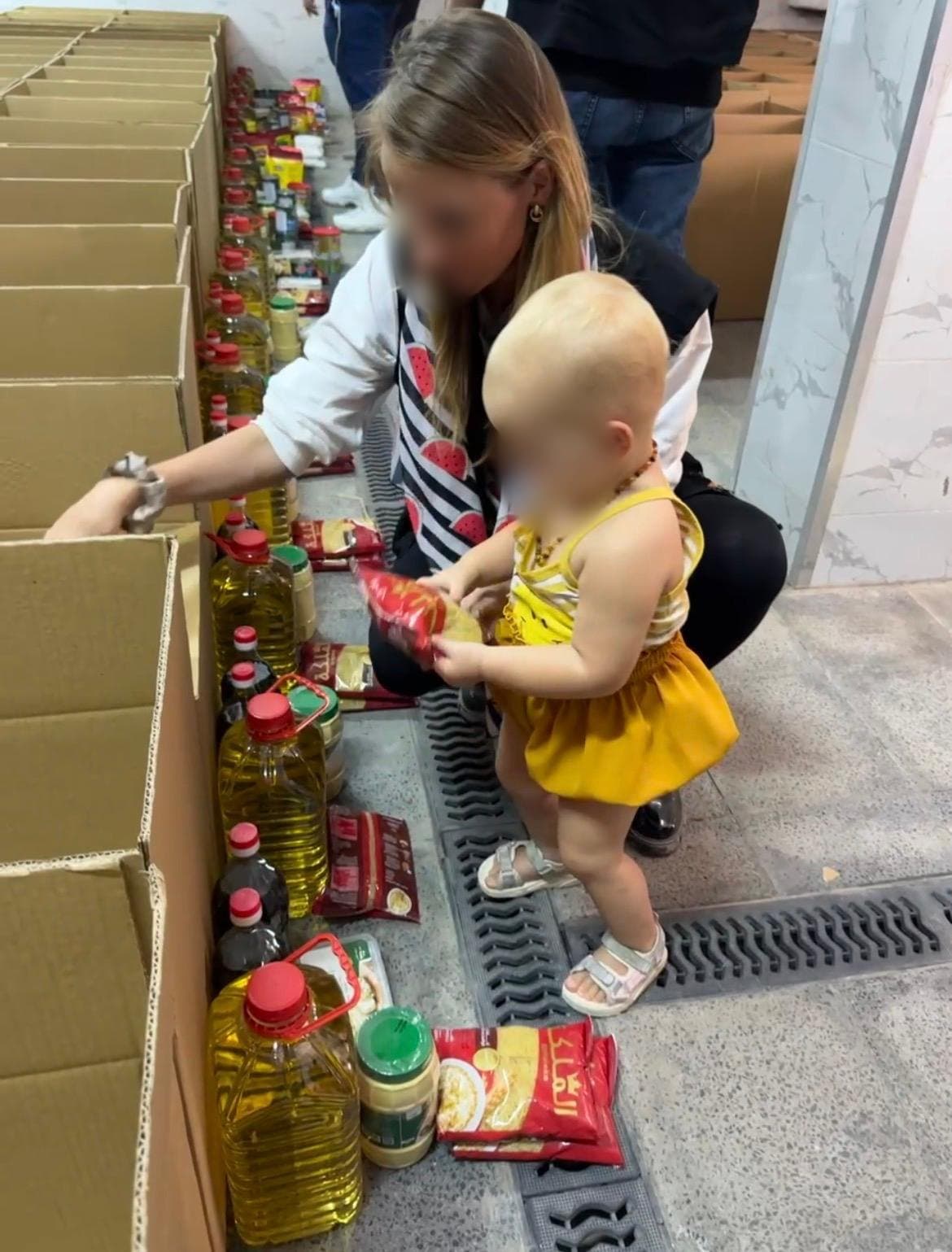
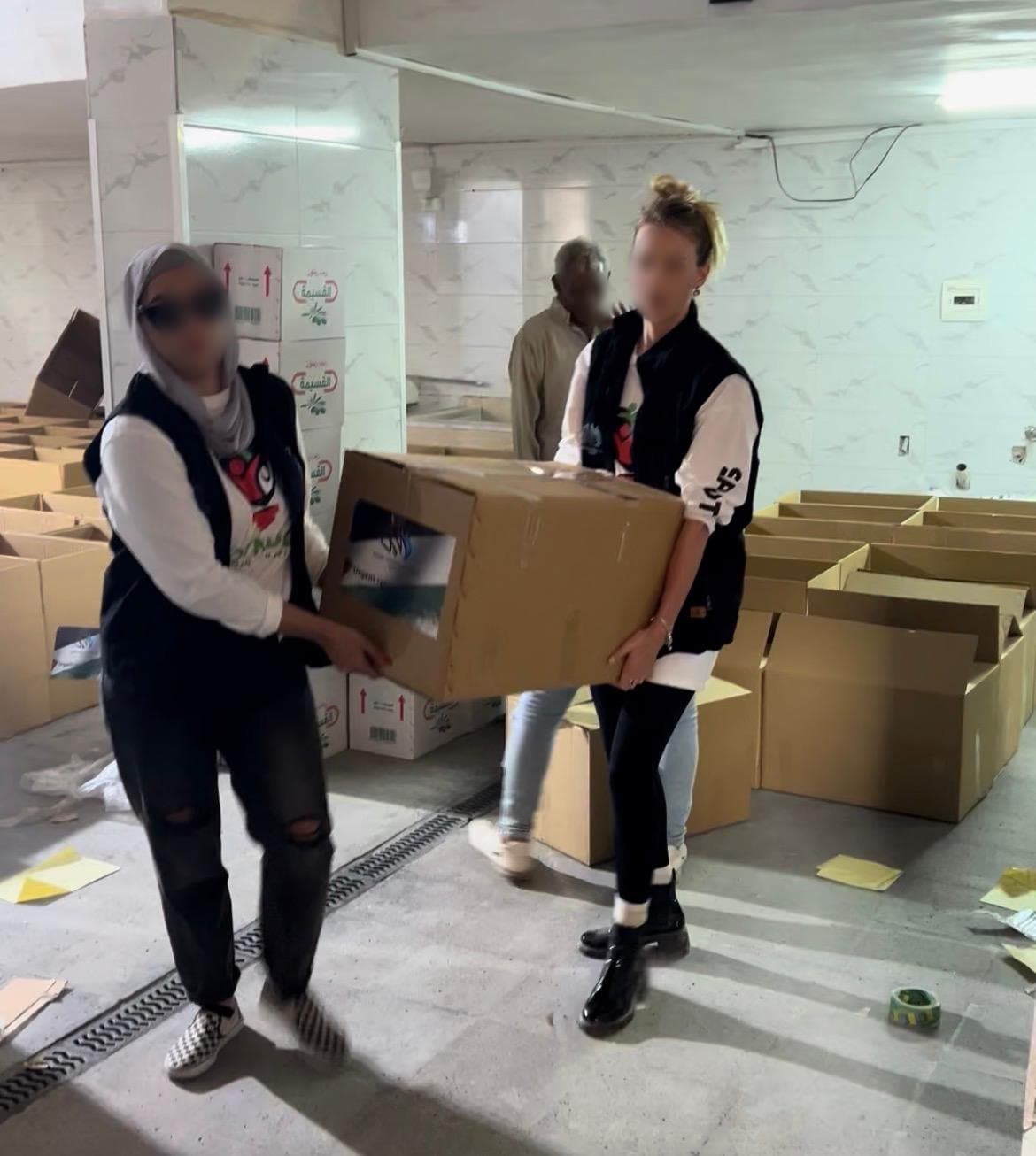
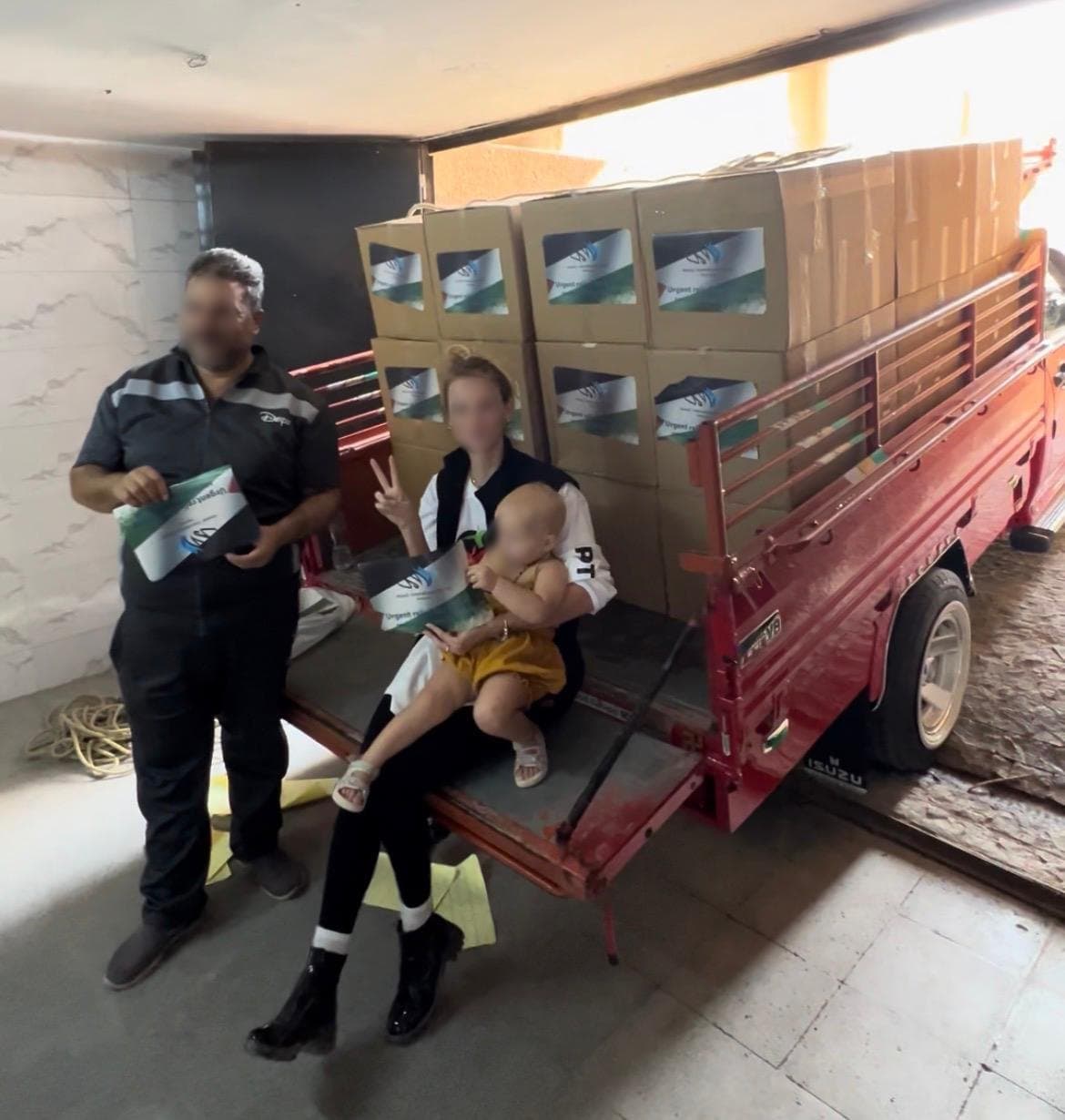
I saw this even more clearly when I arrived at another apartment with a food box I had helped pack.
Inside, I had carefully packed canned beans, sugar, cooking oil, pasta, flour and other dry goods generously provided by the organisation. I remember carrying that box into the apartment, knowing how much care and good intention had gone into preparing it. I was filled with joy to distribute it personally.
A mother opened the door. In her arms she held an infant, while a toddler tugged at her dress. As a mother myself, I knew the items in the box weren’t useless. They were food. They were needed. But there was something this box didn’t have.
Placing it on the kitchen floor, I asked her what she needed — hoping that she had already received baby formula. Hoping that she didn’t need it. Her eyes were heavy. She was tired yet the question gave her a tiny spark of hope. She said:
I desperately need baby formula.
It started with a question. The mother’s answer made me realise we were doing it all wrong.
In that moment, I realised how easily we could spend so much time, money and effort preparing food assistance, only to miss what a particular family needs most.
And the solution was surprisingly simple.
Ask them. Or better yet, let them choose for themselves.
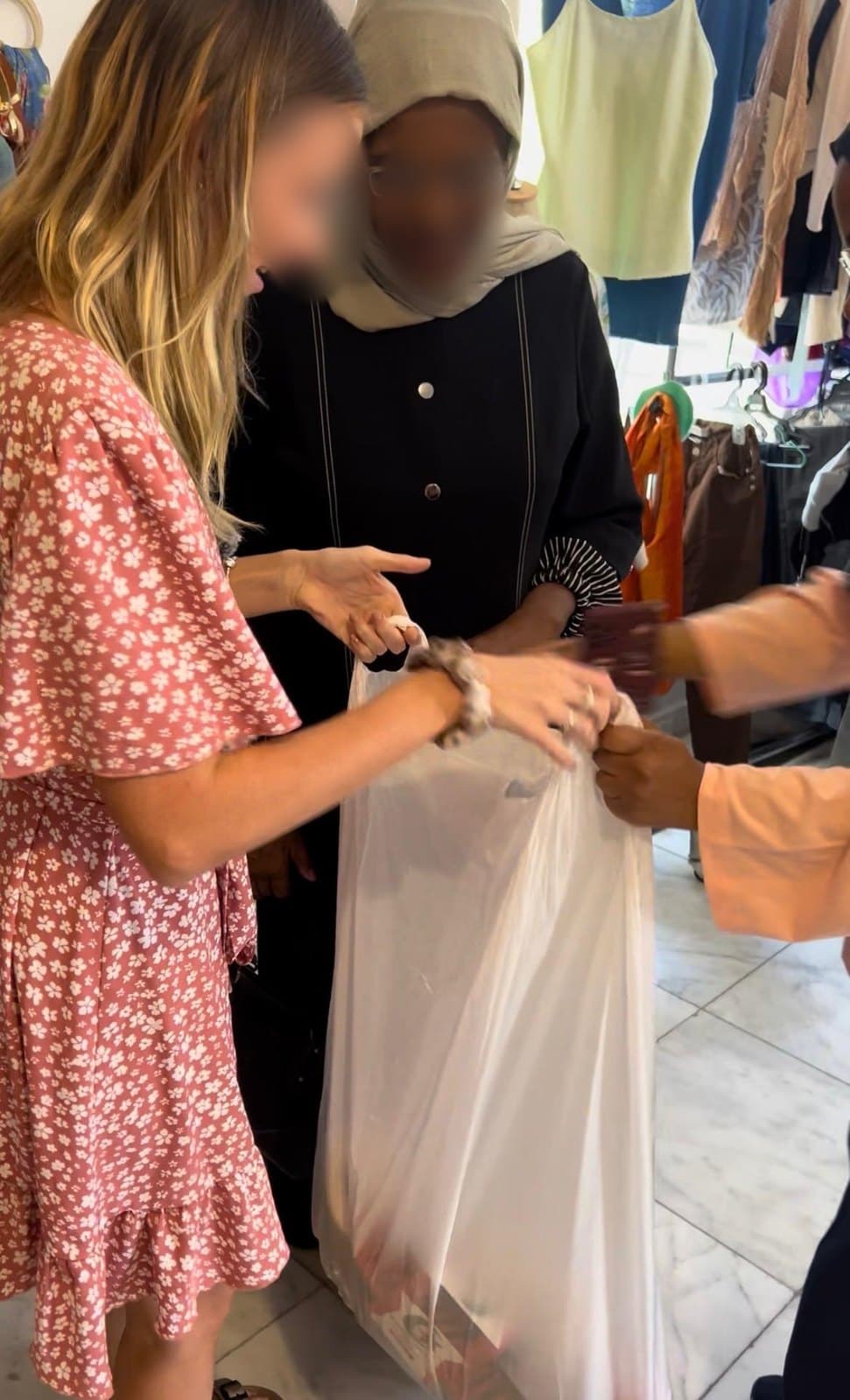
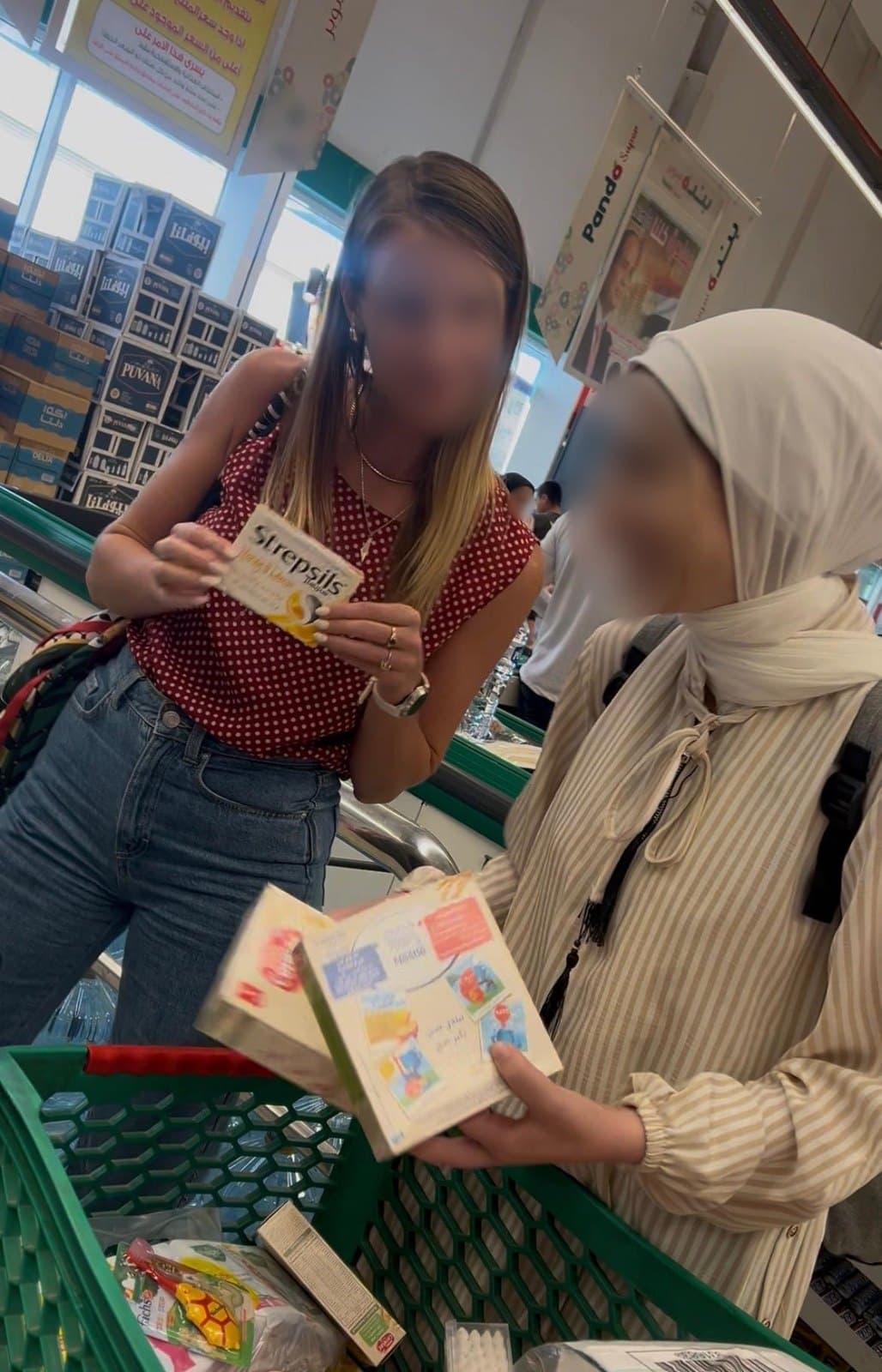
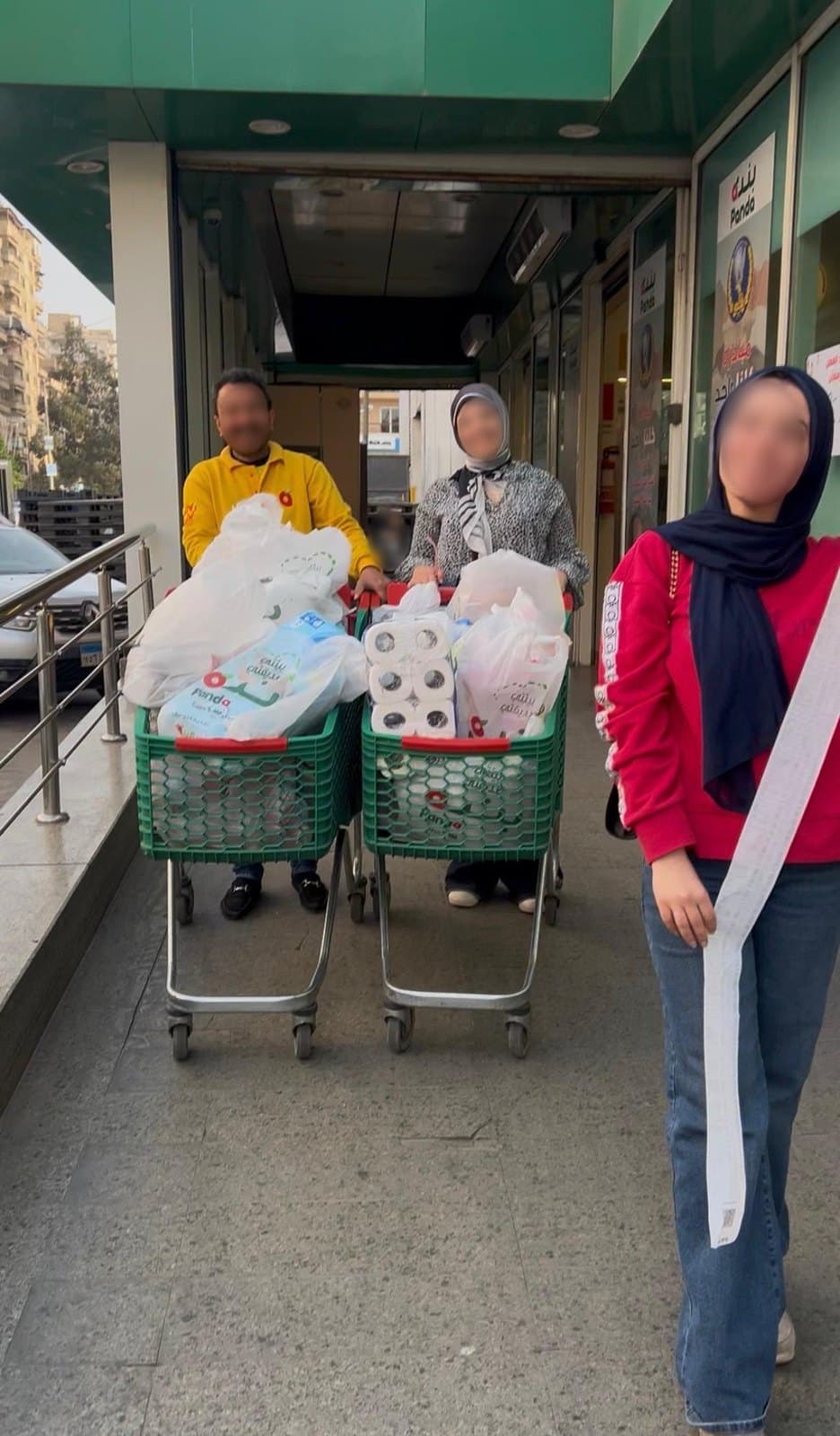
So I started taking families grocery shopping.
I shared the shopping trips live on social media, and something beautiful happened. Generous people from all around the world began sending money directly. As the money came in, I would use it to buy groceries for the families I was with.
Families who had been displaced and had lost so much were suddenly walking through a grocery store, choosing food for their own families again. For some, it was the first time in months. For others, the first time in years.
Every family filled their trolley differently.
Some needed baby formula. Others needed nappies or hygiene products. Some bought milk and yoghurt. Others chose fruit, fish and foods that reminded them of home.
There was no single box that could have met all of those needs so personally.
They already knew what their families needed. They just needed the opportunity to choose.

The idea worked
I had seen something work on a small, personal scale.
But I knew I couldn’t personally take every displaced family in Cairo grocery shopping, let alone every family facing food insecurity around the world.
That is where Send Food began.
We built a way for people to help families access food from their local shops, while giving those families the freedom to choose what they need.
Send Food is the infrastructure that allows organisations and communities to do what I had done, but at a scale that can reach thousands.
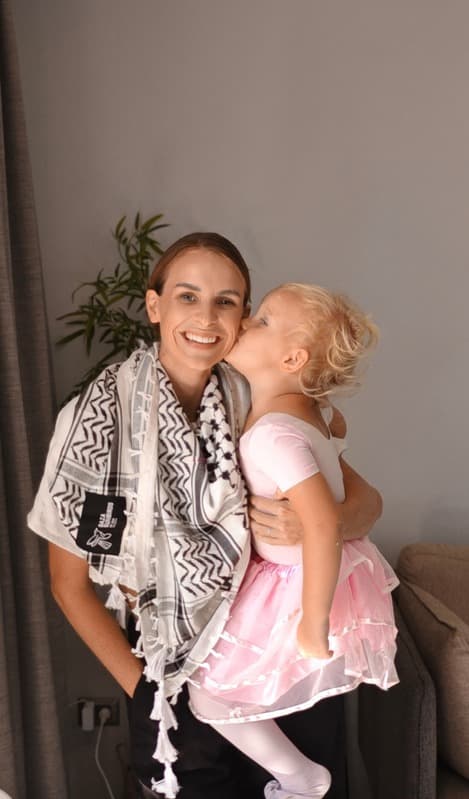
Candice Leigh King
Founder of Send Food
Candice L. King